


After a collision, most luxury vehicle owners focus on the obvious: the panel work, the paint, the finish. What often goes unasked is whether the car’s safety systems are still functioning the way they should. If ADAS isn’t calibrated after a repair, your vehicle may look flawless on the outside while its most critical safety technology is effectively blind.
Advanced Driver Assistance Systems (ADAS) underpin everything from autonomous emergency braking and lane-keep assist to adaptive cruise control and blind-spot monitoring. These systems rely on precisely positioned cameras, radar, and LiDAR sensors. When a vehicle is repaired without proper ADAS recalibration, those sensors can be out of alignment by fractions of a degree. That’s enough to cause them to misread the road ahead, respond late, or fail to respond at all.
This guide explains what’s actually at stake when ADAS calibration is skipped or done incorrectly, and why choosing a manufacturer-approved repairer matters more than ever for prestige vehicle owners.
What Is ADAS and Why Does It Need Calibration?
ADAS is the collective term for the electronic safety systems fitted to modern vehicles. On luxury cars such as BMW, Mercedes-Benz, Audi, Porsche, Tesla, and Lamborghini, these systems are far more sophisticated than base-model equivalents. They integrate data from multiple sensors simultaneously to build a real-time picture of the vehicle’s surroundings.
Common ADAS features include:
- Autonomous Emergency Braking (AEB): detects imminent collisions and applies brakes automatically
- Lane Departure Warning and Lane Keep Assist: monitors lane markings and corrects drift
- Adaptive Cruise Control (ACC): maintains a set distance from the vehicle ahead
- Blind Spot Monitoring: alerts drivers to vehicles in adjacent lanes
- Surround View and Parking Cameras: provides a 360-degree view at low speeds
- Traffic Sign Recognition: reads and displays speed limits and road signs
- Cross Traffic Alert: detects approaching vehicles when reversing
Each of these features relies on sensors calibrated to precise angles and distances defined by the manufacturer. Any physical disturbance, including a collision repair, windscreen replacement, wheel alignment correction, or suspension work, can shift these sensors out of spec. Calibration is the process of resetting them to those exact factory parameters.
What Happens When ADAS Is Not Calibrated After a Repair?
A vehicle with ADAS not calibrated to safety standards presents real risks that may not be immediately obvious to the driver. The car may still feel normal to drive. Warning lights may not appear. But the systems designed to intervene in an emergency may be operating with corrupted data.
1. Autonomous Emergency Braking May Fail
AEB systems use front-facing cameras and radar to detect obstacles. If these sensors are misaligned by even one or two degrees, the system may fail to detect a vehicle, pedestrian, or object in time. Research from ANCAP (Australasian New Car Assessment Programme) highlights that AEB is one of the most life-saving technologies in modern vehicles. An uncalibrated AEB system offers little more than a false sense of security.
2. Lane Keep Assist Can Work Against You
A front camera that’s slightly off-angle may misread lane markings and generate incorrect steering corrections. Instead of keeping you in lane, the system can steer you out of it. At highway speeds, an unexpected steering input can have serious consequences.
3. Adaptive Cruise Control Can Misjudge Distance
ACC uses radar to maintain a set following distance. An uncalibrated radar module may detect vehicles at the wrong range, causing the system to brake too early, too late, or not at all. This is particularly dangerous at motorway speeds where closing distances are rapid.
4. Blind Spot Monitoring May Create Blind Spots
Rear-quarter radar sensors that have shifted position after a panel repair may fail to detect vehicles in adjacent lanes. A driver who relies on blind spot monitoring and changes lanes without checking may not have the system to thank for the miss. The IIHS has documented cases where misaligned ADAS sensors contributed to preventable incidents following unverified repairs.
5. Insurer and Warranty Implications
Beyond the immediate safety risks, there are serious legal and financial consequences. If a vehicle is involved in a second accident and it’s found that ADAS systems were not properly calibrated following a previous repair, insurers may dispute liability. Manufacturer warranties may also be voided if authorised recalibration procedures were not followed.
When Is ADAS Calibration Required?
Calibration is not optional after certain types of work. It is a manufacturer requirement. The following scenarios almost always necessitate ADAS recalibration:
- Any collision repair, including minor impacts that can shift sensor mounting points
- Windscreen replacement, as front cameras are typically mounted to or calibrated relative to the windscreen
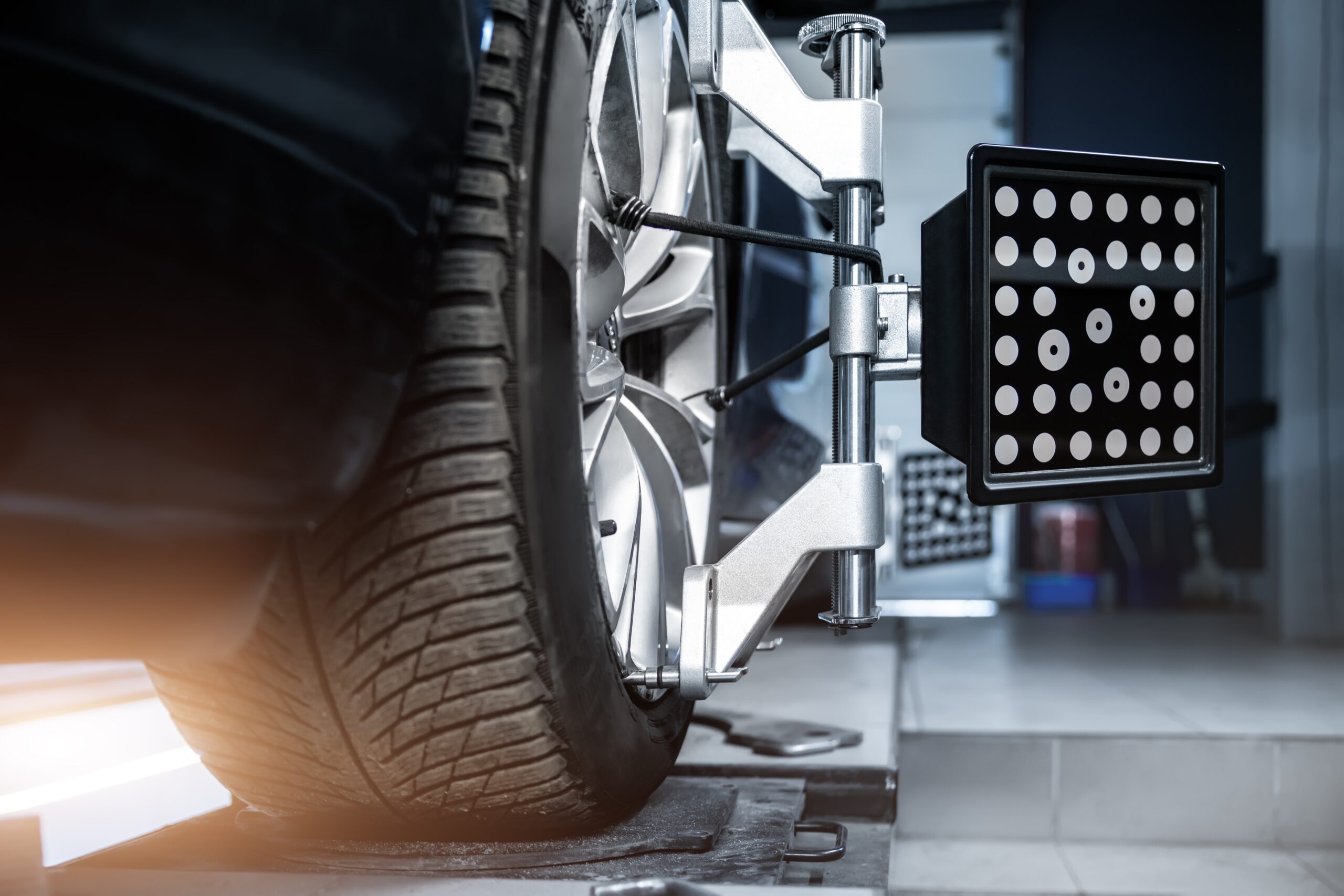
- Wheel alignment, where changes to vehicle geometry affect the reference angles sensors rely on
- Suspension repairs or replacements, as ride height and vehicle attitude directly influence sensor orientation
- Bumper replacement or significant bumper repairs, since radar modules are often mounted in the bumper
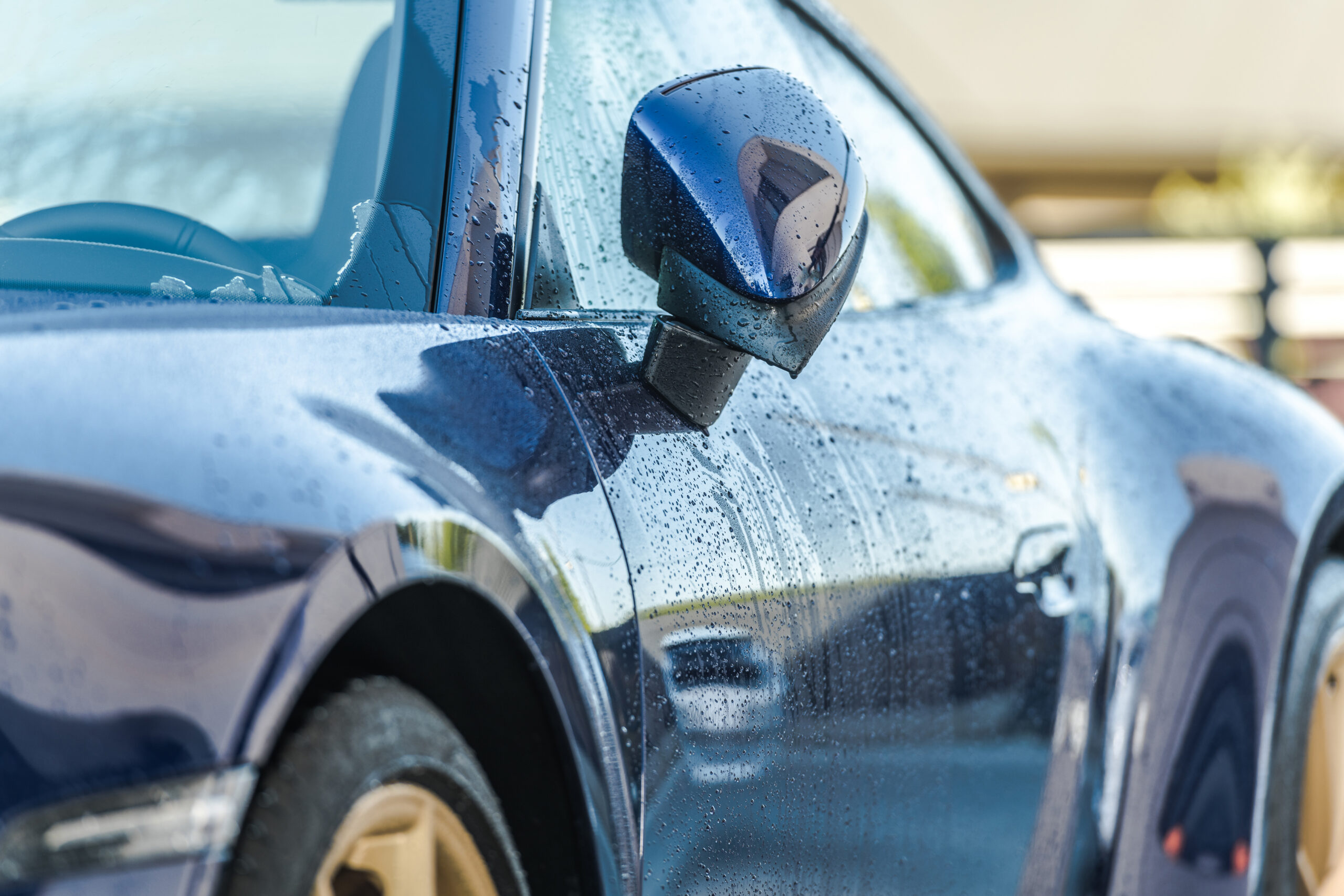
- Mirror replacement on vehicles with side-mounted cameras
- Any work affecting sensor mounting brackets or housings
The calibration itself typically involves two methods. Static calibration is performed inside the workshop using manufacturer-specific targets and equipment. Dynamic calibration is performed on the road under prescribed conditions. Many modern luxury vehicles require both.
Why a Manufacturer-Approved Repairer Makes the Difference
Not every repair centre has the equipment, training, or authorisation to perform ADAS calibration correctly. Generic scan tools cannot replicate the proprietary calibration software used by manufacturers. Without the correct targets, measurement equipment, and OEM software, there is no reliable way to verify that calibration has been performed to factory standards.
At AMA Prestige, every collision repair that touches a sensor-critical area includes a full ADAS calibration check as part of the standard process. As a manufacturer-approved repairer for brands including BMW, Mercedes-Benz, Audi, and Tesla, we use the same diagnostic and calibration systems used on the production line.
This means:
- OEM-approved calibration procedures with every step documented and traceable
- Manufacturer-specific equipment with no generic tools or workarounds
- Full system verification confirming all sensors are communicating correctly after calibration
- A repair record that protects your vehicle’s warranty and supports any future insurance claim
To understand exactly what’s involved in a professional calibration, visit our ADAS Calibration Services page.
How Do You Know If Your ADAS Has Been Calibrated?
There is no warning light that says “ADAS uncalibrated.” In many cases, the system will continue to operate, just inaccurately. Here are the ways to confirm that calibration has been performed correctly:
- Ask for a calibration report. A legitimate repairer will provide documented proof of calibration, including the equipment used and the final verification results.
- Check the repair invoice. ADAS calibration should appear as a distinct line item, not bundled into general labour.
- Use your vehicle’s built-in diagnostics. Some luxury models allow you to access sensor status through the infotainment system or companion app.
- Request a post-repair check. Ask the technician to walk you through confirmation that the systems are active and responding correctly before you drive away.
If your repairer cannot produce calibration documentation, that is a significant concern. For a prestige vehicle where safety technology is integral to both the driving experience and your protection, this documentation is not optional.
Frequently Asked Questions
Does ADAS need recalibration after every repair?
Not after every repair, but after any repair that affects sensor positions, vehicle geometry, or sensor-adjacent components. This includes collision repairs, windscreen replacement, bumper repairs, and wheel alignment work. When in doubt, a manufacturer-approved repairer can assess whether recalibration is required for your specific vehicle and the work performed.
Can I drive my car if ADAS is not calibrated?
Technically yes, but with significantly reduced safety. An uncalibrated ADAS system can give you false confidence. Systems that appear to be functioning may be responding incorrectly or not at all. For a vehicle that relies on ADAS features as part of everyday driving, operating without proper calibration carries real risk.
Will my insurer cover ADAS calibration after a claim?
In most cases, yes. ADAS calibration is considered part of a proper repair for vehicles equipped with these systems. However, this depends on your policy and insurer. Using a manufacturer-approved repairer who includes calibration as a documented part of the repair process makes it far easier to have this covered without dispute.
How long does ADAS calibration take?
The time varies depending on how many sensors require calibration and whether static or dynamic procedures are needed. Static calibration typically takes one to two hours in a controlled workshop environment. Dynamic calibration involves a road test under specific conditions and may add additional time. Your repairer should give you a clear timeframe before work begins.
Does windscreen replacement always require ADAS recalibration?
On most modern luxury vehicles, yes. The forward-facing camera is mounted to or calibrated relative to the windscreen. Removing and refitting the windscreen changes the camera’s position, even when using an identical OEM unit. Euro NCAP’s safety assessment protocols account for this, and manufacturer repair procedures require recalibration to ensure AEB and lane departure systems function correctly afterwards.
The Calibration Step You Can’t Afford to Skip
The sophistication of a modern prestige vehicle’s safety technology is one of its greatest assets, but only when that technology is working correctly. ADAS not calibrated to safety standards is not a minor oversight. It is a gap between what your vehicle was designed to do and what it can actually deliver in the moment it matters most.
Choosing a repairer who treats calibration as a core part of the repair process is the difference between a vehicle that’s been restored and one that only looks like it has.
AMA Prestige operates as a manufacturer-approved repairer across Melbourne, Brisbane, Gold Coast, and the Central Coast. Every repair follows OEM-mandated procedures, including full ADAS calibration where required, so your vehicle leaves our centre safe, not just repaired.
To find your nearest AMA Prestige centre or to book an assessment, get in touch with our team or learn more about our ADAS calibration services.