


The sickening sound of crunching metal is traumatic enough, especially when it involves a premium luxury or high-performance vehicle. The administrative maze that follows often feels even worse. You have been hit, the police report confirms it was not your fault, yet you are suddenly facing a mountain of confusing paperwork. Industry data suggests that navigating auto insurance processes is a leading source of post-crash anxiety, largely because the rules seem written in a foreign language to everyday drivers.
Even though you did everything right, the system often treats you like a liability rather than a victim. You might be worrying about paying an upfront excess or wondering if the other driver’s coverage is actually sufficient to flawlessly restore your vehicle’s complex architecture. This uncertainty creates a dangerous gap in the claims lifecycle—the timeline from the crash scene to the certified repair centre—where making a wrong move can cost you significant time, money, and vehicle safety.
Getting your prestige vehicle back to its pre-accident condition requires closing that knowledge gap immediately. By knowing exactly how to document evidence and speak to claims handlers confidently, you can secure high-quality, OEM-aligned non-fault crash repairs without enduring unnecessary financial strain.
Securing the Scene: 5 Pieces of Evidence That Guarantee an Approved Claim
Once everyone is safe and off the road, your smartphone becomes your most powerful tool. Adrenaline has a way of blurring details later, so capturing the scene immediately prevents the other driver from changing their story down the line. Think of gathering evidence at the accident scene as building an absolute safety net for your investment—the more proof you have, the harder it is for an insurer to deny your claim.
Start with the vehicles, but do not stop there. While a close-up of the cosmetic and structural damage is necessary, wide shots showing the position of the cars in the lane tell the real story of how the crash happened. You should use the three-angle rule for your evidence: take photos from close up, mid-range, and far away. Capture skid marks, traffic lights, and even the weather conditions to provide crucial context for the claims assessors.
To ensure your documentation is bulletproof, verify you have these five critical pieces of evidence before you drive away or the recovery vehicle arrives:
- Points of impact on both cars, highlighting potential hidden damage to sensors or structural components.
- Number plates clearly visible in the broader scene photos.
- Road conditions, visible skid marks, and any debris fields.
- Street signs or junction layouts to unequivocally demonstrate right-of-way.
- The other driver’s insurance details, driving licence, and contact information.
Finally, look around for anyone who saw the collision unfold. Independent witnesses are invaluable because they have no financial stake in the outcome, but they often leave the scene within minutes. Politely ask for a name and phone number right away. If there are no witnesses and the other driver starts blaming you later, having that solid photo evidence becomes your strongest defence in proving liability.
Proving Liability When It Is Your Word Against Theirs
Even with great photos, the other driver might tell a completely different story once they get home in an attempt to protect their insurance premiums. Proving liability quickly becomes a battle of documentation rather than absolute truth. Claims handlers act like detectives who were not at the scene; they rely heavily on official records to decide who pays. While police officers generally do not determine who pays for damages, their objective narrative on an official report often breaks the tie in a dispute, making it much harder for the other party to falsify events.
Subjective accounts can be argued, but video evidence is nearly impossible to refute. Dashcam footage has become the gold standard for quick claim approvals because it captures objective metadata, like speed and traffic light sequencing, that human memory often distorts. Many modern prestige vehicles feature integrated telemetry and camera systems that can be leveraged. If you do not have a personal camera, look up immediately at the junction; many traffic lights use council cameras, and you can often request this footage if you act fast.
Before you make the first call to an insurer, gather these four pillars of proof to lock in your version of events:
- Obtaining a police reference number and ensuring you have the specific case file details.
- Dashcam video files or vehicle telemetry data with visible timestamps.
- Contact information for any independent witnesses who observed the incident.
- Locations of nearby business surveillance or traffic cameras.
The Strategic Filing Choice: Your Insurance vs. the Other Driver’s
Most drivers assume they must wait for the at-fault driver’s insurance to take the lead, but you actually hold the power to choose who manages your repairs. This decision typically comes down to a battle between speed and upfront cash flow. You can file a claim directly against the other driver’s insurer, or you can claim on your comprehensive policy, regardless of who caused the crash.
Claiming against the third party feels financially safer because you generally do not have to pay an excess. Since the other driver is liable, their company should cover the costs from day one. However, this route often places you at the mercy of their timeline. If their claims handler drags their feet on confirming liability, your luxury vehicle sits unusable while you wait for authorisation to begin the specialised repair process.
Alternatively, using your own comprehensive coverage guarantees rapid action because your insurer is contractually obligated to assist you immediately. Filing on your own policy usually gets your vehicle into an approved repair facility much faster. The catch is that you must temporarily pay your excess directly to the repair centre when you pick up your vehicle, even though you were not at fault.
The Placeholder Rule: Why Subrogation Is Your Secret Weapon
Paying that excess feels entirely unfair when you are innocent, but it acts as a refundable deposit rather than a permanent fee. This relies on the subrogation process, which effectively lets your insurer step into your shoes. They pay the substantial repair bills now—ensuring your vehicle receives the uncompromising quality of genuine parts—to get you back on the road immediately, then handle the heavy lifting of demanding repayment from the at-fault driver’s insurer later.
Once your insurer collects from the other party, they refund your initial payment. Excess recovery happens automatically, though it may take weeks depending on the other insurer’s cooperation. Since your insurer is now financially motivated to prove the other driver was responsible, they become your advocate in the fight for liability. For comprehensive guidance on formal insurance dispute resolutions, resources provided by the Australian Financial Complaints Authority (AFCA) outline your rights during the recovery phase.
Winning the Claims Handler Game: Protecting Your Settlement
Shortly after the crash, you will likely receive a call from the at-fault driver’s representative. While they may sound friendly and helpful, remember that their primary goal is managing the company’s financial exposure. When communicating with the third-party insurer, keep your answers factual and brief. They are trained to identify inconsistencies that could reduce the percentage of liability assigned to their client.
One sophisticated tactic involves asking for a formal recording of your account immediately. You are rarely under a legal obligation to provide this to the other party’s insurer during the initial call. Recorded statement risks are high because adrenaline can cause you to misremember details, creating a permanent record that can be used against you later. It is usually safer to politely decline until you are calm, collected, and prepared.
Modern Vehicle Complexity: The Necessity of Certified Repair Networks
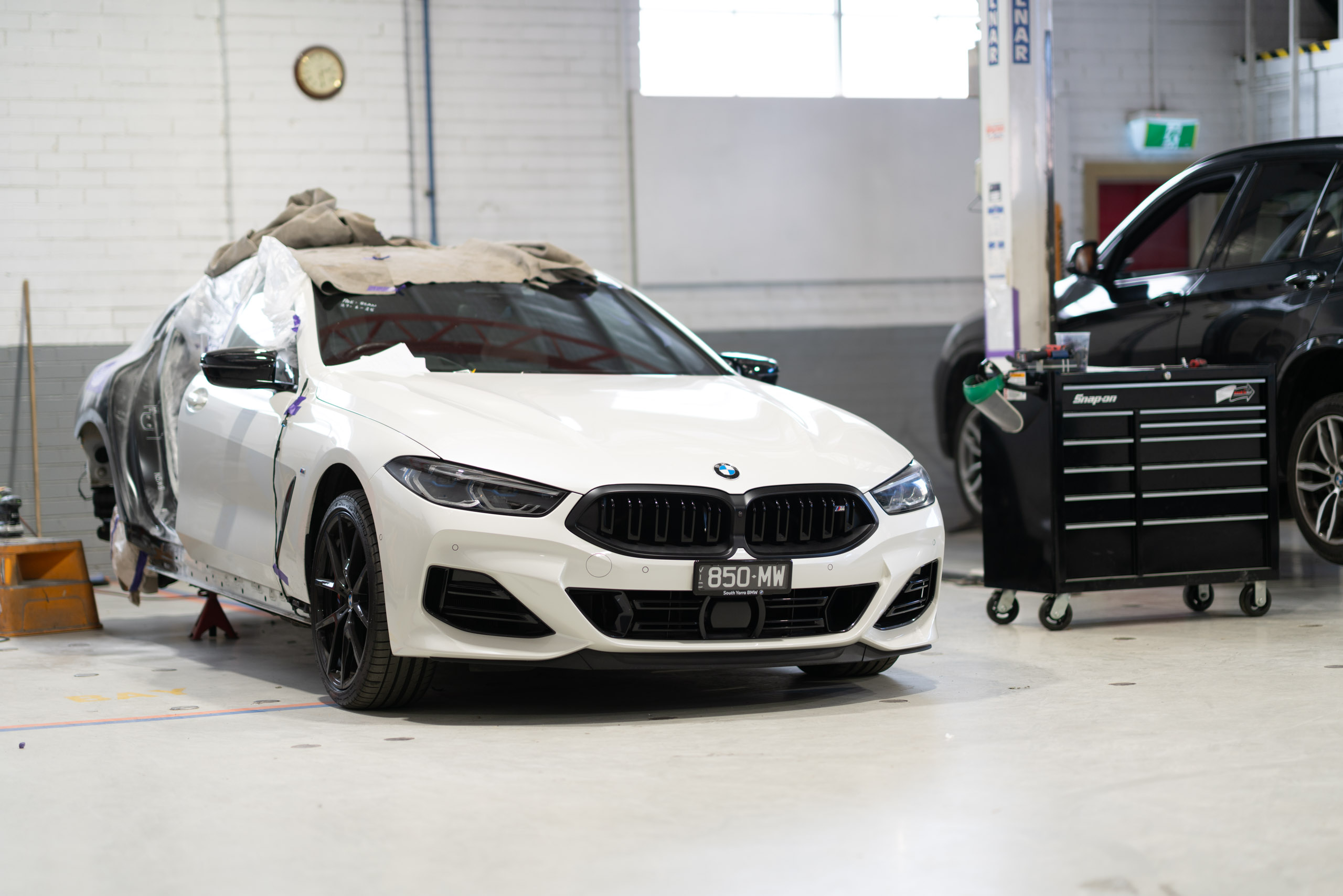
Insurers utilise Approved Repairer Networks to manage claims efficiently, and choosing a highly qualified, certified repair network is essential for luxury vehicles. Modern vehicle complexity—from lightweight structural materials to high-voltage EV architectures—should be framed as the ultimate reason for utilising professional, OEM-certified repair networks. You must ensure your vehicle is directed to a facility that possesses the exact factory-aligned standards required to restore it properly.
For instance, expert aluminium vehicle repairs demand completely isolated environments to prevent cross-contamination with steel, a standard routinely maintained by elite network repairers. Furthermore, if you drive an electric vehicle, generic repair approaches are highly dangerous and ineffective. High-voltage system repairs, battery and thermal management restoration, and precise ADAS calibration require highly trained EV-qualified technicians.
Elite certified repair networks ensure that quality replacement parts are utilised, strictly advocating for OEM components rather than non-genuine alternatives. Original Equipment Manufacturer parts preserve your vehicle’s structural integrity and maintain strict safety standards established by organisations like ANCAP. Attempting to navigate the complexities of luxury car restoration outside of a fully certified network compromises both the performance and the paramount safety of your vehicle.
The Hidden Payout: Diminution in Value and Supplemental Repairs
Even after a flawless, factory-standard repair, your premium vehicle now carries an accident history that can lower its resale price. This financial gap is known as diminution in value, and you can often recover this money from the at-fault driver’s insurance. To win a diminution in value claim, you usually need an independent appraisal proving the market value lost specifically due to the crash record.
It is standard industry practice for the initial insurance review to capture only visible damage. Once certified technicians disassemble the vehicle, they frequently uncover underlying structural or electronic issues, triggering a request for supplemental repair estimates. The insurance company is obligated to pay for these necessary, advanced repairs to return the luxury car to its exact pre-accident condition, provided the repair network meticulously documents the evidence.
Your 24-Hour Post-Crash Action Plan
You no longer have to navigate complex insurance claims as a passive participant. Instead of waiting for insurers to dictate terms, you now have a clear roadmap to restoring your prestige vehicle to its exact factory specifications. Start immediately with this 24-Hour Checklist:
- Confirm police report and reference number availability.
- Notify your comprehensive insurer, even if you are non-fault.
- Ensure your vehicle is assigned to a certified luxury repair network.
- Arrange a suitable premium hire car through the at-fault carrier.
Following this, the not-at-fault repair claims guide ensures you do not pay for someone else’s mistake while guaranteeing your high-performance vehicle receives the exact OEM-certified care it requires. Keep a dedicated folder for every receipt, estimate, and communication. This organisation guarantees the full structural, cosmetic, and financial recovery you deserve.