


Choosing a luxury vehicle is rarely just about horsepower or badge prestige. For long-term ownership, the real question is what happens when something goes wrong. Every luxury car make has its own damage repair profile, shaped by the materials used in the body, the onboard electronics, parts supply chains, and the manufacturer’s approach to authorised repairers. Two cars that look equally premium in the showroom can have very different outcomes in the workshop.
Understanding the luxury car make damage repair outlook before you buy, or before you choose where to send your vehicle after an incident, can save you thousands of dollars and months of lost driving time. In this guide we break down the pros and cons of the major prestige brands we service, so you know exactly what to expect when a repair is on the cards.
Luxury Car Make Damage Repair: What Makes It Different
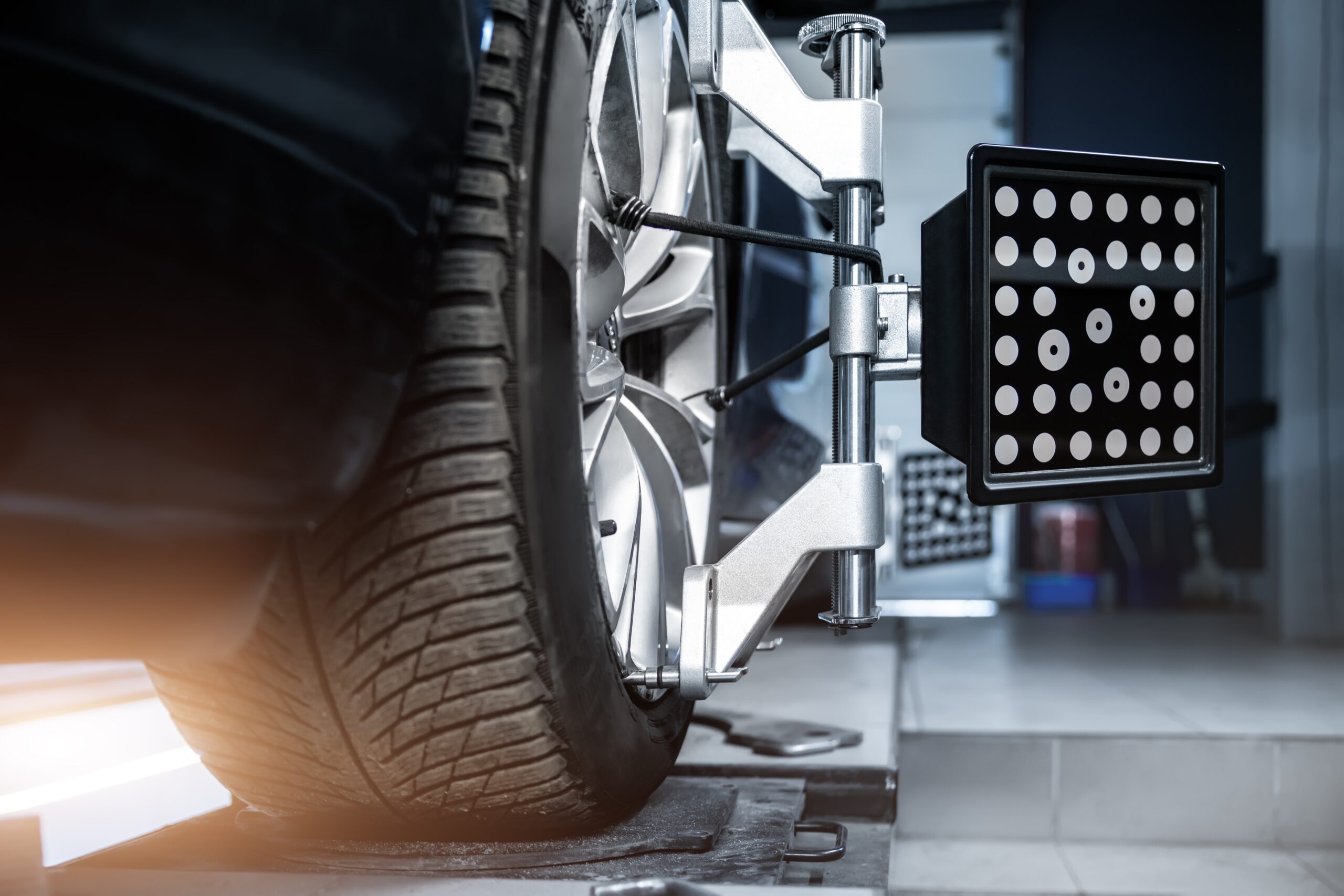
Prestige vehicles are not built like mainstream cars. Lightweight aluminium bodies, carbon fibre structural panels, high-voltage battery packs, and dense sensor arrays for Advanced Driver Assistance Systems (ADAS) all demand specialist equipment and factory-trained technicians. A single miscalibrated camera or an unapproved spot weld can compromise crash safety or trigger warning lights that do not clear.
This is why most luxury manufacturers run formal approved repairer programs. Using an accredited prestige repairer keeps your warranty intact, preserves factory safety standards, and protects resale value. The Insurance Council of Australia notes that complex modern vehicles are a major contributor to rising average claim sizes, which makes choosing the right repairer more important than ever.
1. BMW: Precision Engineering, Demanding Repairs
BMW sits at the technical end of the luxury market, with extensive use of aluminium, high-strength steels, and in some models carbon fibre reinforced plastic. This makes repairs highly specialised.
Pros: BMW runs a tightly controlled Certified Collision Repair Centre program in Australia, so an approved workshop gives you access to genuine parts, factory software, and defined repair procedures. Parts supply is generally strong across popular models.
Cons: Aluminium bodyshells (common on 5 Series, 6 Series, 7 Series and i-range) must be repaired in a segregated aluminium bay with dedicated tooling. Unapproved repairs are often detected at trade-in and can reduce value significantly. Repair timelines can stretch when structural sections are involved. Learn more on our BMW repair page.
2. Mercedes-Benz: Wide Parts Network, Complex Electronics
Mercedes-Benz owners benefit from one of the strongest dealer and approved repairer networks in the country, but the electronic and safety system complexity on modern models is substantial.
Pros: Excellent parts availability across Australia, strong OEM documentation, and a long track record of collision repair standards. Most common panels and assemblies are in-country, keeping repair times reasonable.
Cons: Newer S-Class, E-Class, EQ and AMG models rely heavily on integrated driver assistance, camera, and radar systems that require post-repair ADAS calibration. Unapproved shops often skip this step, leaving safety features operating incorrectly. See our Mercedes-Benz repair page for specifics on what a factory-standard repair looks like.
3. Audi: Aluminium-Heavy Construction
Audi has been a pioneer of aluminium space-frame construction through its Audi Space Frame (ASF) design, used on A8 and many R8 and Q-series models. It delivers performance benefits but narrows your repair options.
Pros: Outstanding fit and finish make well-executed repairs very hard to detect. The Audi approved network is small but highly trained, meaning any accredited centre you use should hold proper certifications. Quattro drivetrain components are well supported.
Cons: Aluminium and hybrid-aluminium bodies cannot be repaired with standard steel tooling. Incorrect rivet or adhesive use can compromise structural integrity. Body panel lead times can be longer than German rivals in some model ranges. Full details on our Audi repair page.
4. Tesla: Modern Tech, Specialist Access
Tesla has changed what damage repair looks like. High-voltage battery packs, aluminium and composite body structures, and over-the-air updates mean Teslas need a very specific repair approach.
Pros: Once at an approved facility, Teslas often move through diagnostic and calibration steps faster than you might expect, because so much is software-driven. Panel counts are simpler on some models than equivalent European sedans.
Cons: Parts supply has historically been the weak link, with some components requiring direct order from Tesla and longer-than-average wait times. High-voltage systems require de-energising protocols that only certified technicians can perform safely. Approved repairers are not yet as widespread as traditional luxury brands. Check our Tesla approved repair page for more.
5. Porsche: Premium Parts Cost, Precision Tuning
Porsche blends traditional engineering with cutting-edge materials, particularly across the 911, Taycan, and Panamera lines.
Pros: Exceptional factory documentation and a reputation for keeping parts supply steady even on older models. Repairs performed to factory standard typically preserve resale value better than most prestige brands.
Cons: Genuine Porsche parts sit at the top end of the price bracket. Suspension geometry, brake systems, and aerodynamic panels require careful recalibration. Colour-matching on bespoke paint specifications can be demanding and should only be handled by a refinishing specialist. Explore more on our Porsche repair page.
6. Lamborghini: Exotic Materials, Niche Network
Lamborghini ownership is a different world, and so is the repair process. Carbon fibre monocoques, forged composite parts, and hand-finished bodywork mean only a small number of workshops globally can do the job properly.
Pros: When you find a genuine authorised repairer, the standards are exceptional and the results are factory-perfect. Resale values on well-documented repairs hold up remarkably well.
Cons: Parts are specialised, often made to order, and lead times can stretch into months. Carbon fibre repair is a specialist discipline separate from conventional panel work. Costs reflect the exclusivity. More information is available on our Lamborghini repair page.
7. Jaguar and Land Rover: Aluminium Bodies, Software Complexity
Jaguar Land Rover leans heavily on aluminium construction across the Jaguar F-Pace and XE, and across much of the Range Rover lineup. Onboard electronics have grown significantly in recent model years.
Pros: Broad dealer network in Australia, strong parts availability for volume models, and a well-established approved repairer program for structural work.
Cons: Aluminium repair skills are mandatory. Electronic modules across infotainment, air suspension, and terrain response systems often need recoding after collision work. Some owners underestimate post-repair calibration complexity on Range Rover models. See our Jaguar and Land Rover repair pages for details.
8. Bentley: Handcrafted Luxury, Bespoke Repair
Bentley sits alongside Rolls-Royce at the apex of the luxury market, and the repair process matches that positioning.
Pros: Hand-built bodies, tailored interiors, and exceptional paint finishes can be fully restored by an authorised repairer without compromising provenance. Every Bentley has detailed build records that support accurate repairs.
Cons: The bespoke nature of Bentley trims, veneers, and paintwork means repairs are slower and more costly than mainstream luxury brands. Waiting on factory-matched materials from Crewe is common. Head to our Bentley repair page for more information.
What to Look For in a Luxury Damage Repairer
Across every make above, the pros and cons shift dramatically depending on who carries out the work. A prestige repair done incorrectly is often worse than no repair at all, because it locks in hidden compromises. When assessing a repairer, confirm the following:
- Manufacturer approvals: Look for written accreditation from the specific brand, not just generic industry certifications.
- Genuine parts policy: Only factory-supplied parts will preserve warranty and safety standards.
- ADAS and electronics capability: Ask how they handle camera, radar, and sensor calibration after the repair.
- Aluminium and composite facilities: A segregated aluminium bay is non-negotiable for most German and British luxury brands.
- Insurer relationships: Approved repairers recognised by major insurers reduce friction on claims.
Independent industry reporting from Drive and other Australian automotive publications consistently highlights that substandard repair work is one of the biggest drivers of post-accident depreciation on premium vehicles, sometimes removing more value than the original damage itself.
Frequently Asked Questions
Is it better to repair a luxury car at the dealership?
Not necessarily. Dealerships often outsource collision work to specialist prestige repair centres rather than carrying out structural repairs in-house. What matters is that the workshop holds the manufacturer’s collision approval, uses genuine parts, and follows factory repair procedures.
Does a repair affect my luxury car’s resale value?
Yes, though the impact depends on severity and quality of work. A minor cosmetic repair completed by an approved prestige repairer, properly documented, typically has a small effect on resale. A structural or aluminium repair carried out by a non-approved shop can reduce value substantially, even if the exterior looks perfect.
Why do luxury car repairs take longer than standard repairs?
Several factors contribute: specialist parts are often imported, aluminium and composite materials require dedicated tooling, ADAS systems need structured calibration, and approved repair procedures involve more steps than mainstream collision work. Quality takes time, and cutting corners on a luxury vehicle is not worth the long-term cost.
Will my insurance cover a manufacturer-approved repair?
Most major Australian insurers recognise manufacturer-approved repairers and will direct claims accordingly for prestige vehicles. If you have agreed value coverage, your insurer is generally obligated to restore the vehicle to pre-accident condition using genuine parts. Confirm this with your insurer at the time of policy renewal.
The Bottom Line
Every luxury car make has its strengths and its quirks when it comes to damage repair. BMW and Mercedes-Benz offer excellent approved networks but demand specialist capability. Audi and Jaguar Land Rover require aluminium expertise. Tesla brings new challenges in high-voltage repair. Porsche, Lamborghini, and Bentley sit at the bespoke end where parts, materials, and craftsmanship all influence outcomes. The common thread is simple: prestige vehicles demand prestige repairers.
If your luxury vehicle has been damaged, or you want to understand your options before a repair is needed, the team at AMA Prestige can help. As a manufacturer-approved national repair network, we specialise in restoring prestige and luxury vehicles to factory standard. Get in touch with our team or request an online assessment to get started.