


Cold weather is the single biggest performance test a luxury electric vehicle faces each year. Battery chemistry slows, range drops, charging takes longer, and the suite of cameras and radars that make modern driver-assistance systems work can be blinded by rain, fog and road grime. For owners of premium marques like Tesla, Porsche, BMW, Audi and Mercedes-Benz, the stakes are higher: a missed step in winter maintenance for your luxury EV can mean a reduced driving experience, voided manufacturer warranties, or expensive recalibration work after the season ends.
The good news is that winter preparation is straightforward when you know what to check. This guide walks you through the five maintenance steps every luxury EV owner should complete before the colder months set in, plus the common mistakes that catch out even experienced drivers. Follow it through and your vehicle will deliver the range, refinement and safety you expect, even on the coldest mornings of the year.
Why Winter Maintenance Matters More for Luxury EVs
Luxury EVs are precision-engineered machines. They rely on tightly calibrated battery management systems, advanced driver-assistance hardware, aluminium and carbon-fibre structures, and factory-matched paint systems that all behave differently in cold conditions. Studies of real-world EV performance have found that range can drop by 20% to 30% in freezing temperatures, with cabin heating, battery preconditioning and slower regenerative braking all contributing.
Even in milder Australian winters, dawn temperatures across Melbourne, the Central Coast and inland regions regularly dip low enough to affect battery efficiency, tyre pressure and sensor calibration. With the Electric Vehicle Council tracking record EV uptake among Australian premium-vehicle buyers, confident cold-weather ownership is a more common concern each year. Combine that with wet roads, salt-laden coastal air and shorter daylight hours, and a luxury EV needs more attention in winter, not less.
Step 1: Optimise Battery Health for Cold Weather
Your battery is the heart of the vehicle, and lithium-ion chemistry is sensitive to temperature. Cold cells deliver less power, accept charge more slowly, and degrade faster if mistreated. Three habits make the biggest difference.
First, keep your state of charge in the manufacturer’s recommended range. Most luxury EV makers suggest keeping daily charge between 20% and 80% and only charging to 100% before a long trip. Letting the battery sit at very low or very high charge in cold weather accelerates wear.
Second, charge at home where possible. A Level 2 home charger lets the vehicle trickle in energy overnight while the battery is at ambient garage temperature, which is gentler than fast-charging a cold battery on a public DC charger.
Third, plan for slower public charging. DC fast chargers can take significantly longer in cold weather because the battery management system limits current to protect the cells. Allow extra time on road trips, or use preconditioning before you plug in (see Step 2).
Step 2: Master Preconditioning Before Every Drive and Charge
Preconditioning is the single most useful feature on a luxury EV in winter, and it is widely underused. It uses energy from the wall or the battery itself to warm the cells and the cabin before you start driving, so you do not pay the efficiency penalty later.
Set a daily departure schedule in your vehicle’s app. Most premium EVs, including Tesla, Porsche Taycan, BMW i-series, Audi e-tron and Mercedes EQ models, let you tell the car when you typically leave each morning. While plugged in, the car will pre-warm the cabin, defrost the windscreen and bring the battery to operating temperature, drawing that energy from the grid rather than your range.
Precondition before fast-charging too. Before a DC charging stop, use the navigation system to route to the charger. Most luxury EVs will automatically warm the battery on approach, which can cut charging times significantly and reduce stress on the cells. A cold battery accepting a high-current charge is the single most damaging thing you can do to long-term battery life.
Step 3: Inspect Tyres, Brakes and the 12V Auxiliary Battery
Cold weather affects three components that owners often overlook on an EV.
Tyre pressure drops roughly one PSI for every six degrees of temperature decrease, and luxury EVs run heavier than equivalent petrol cars because of the battery pack. Under-inflated tyres on a heavy vehicle reduce range, accelerate uneven wear, and compromise the handling these cars are engineered for. Check pressures monthly through winter using the manufacturer’s cold-tyre specification.
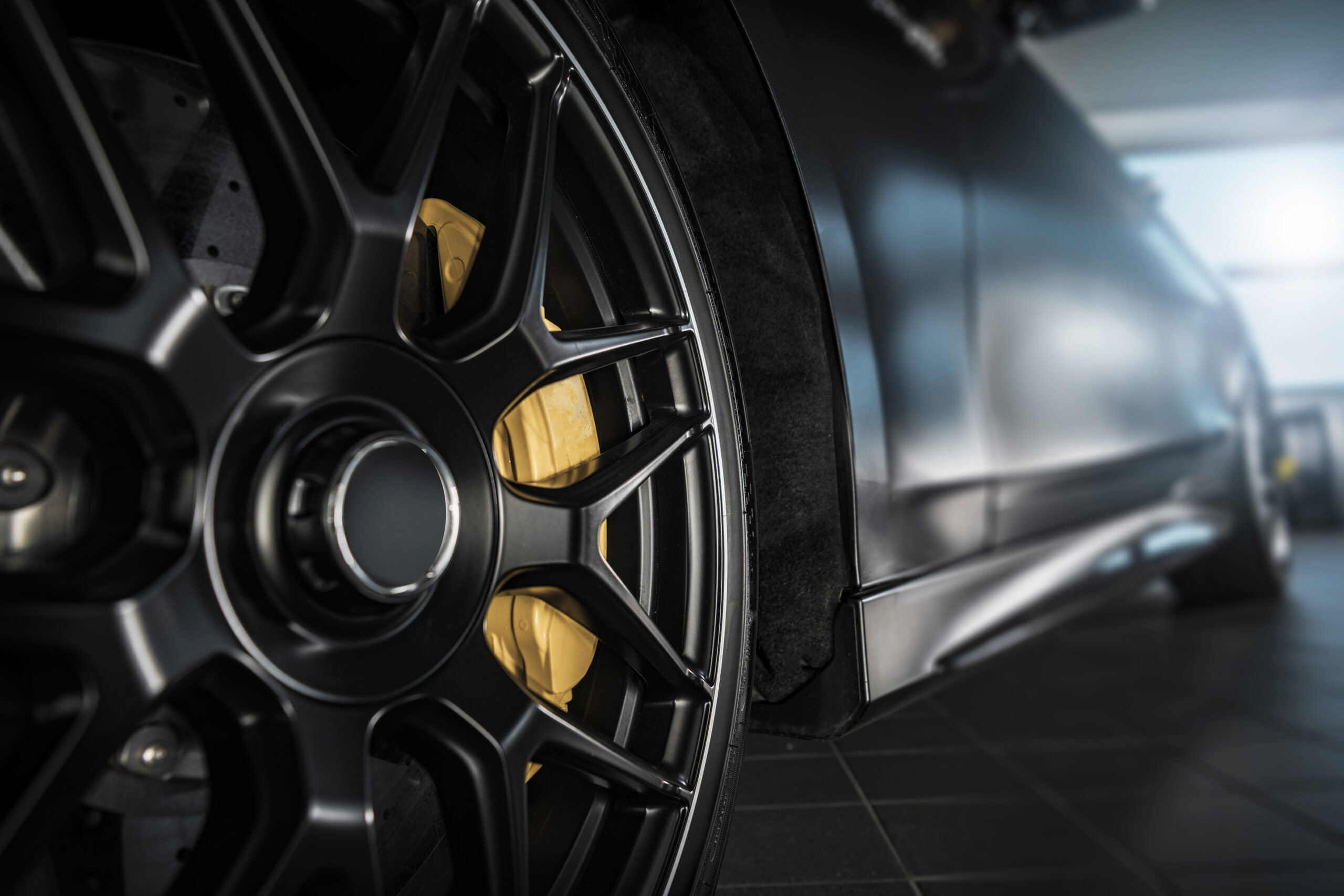
Brakes need a workout. Because EVs rely heavily on regenerative braking, the friction brakes see less use and can develop surface rust on the rotors, especially in coastal areas. Once a week, find a safe stretch of road and apply firm braking from speed several times to clean the rotors and confirm pedal feel.
The 12V auxiliary battery is the quiet failure point. Every luxury EV still has a small 12V battery that powers the computer, doors and lights, and these batteries fail more often in cold weather. If your vehicle is showing slow door responses, dim interior lights, or random restart messages, have the 12V tested before winter, not during it. A 12V failure can leave you locked out of an otherwise perfectly charged car.
Step 4: Protect Paint, Sensors and the Underbody
Winter brings road grime, tree sap, salt spray near the coast, and the kind of fine grit that scratches premium clear coats. For a luxury EV, paintwork is not just cosmetic; it is part of the resale and brand experience.
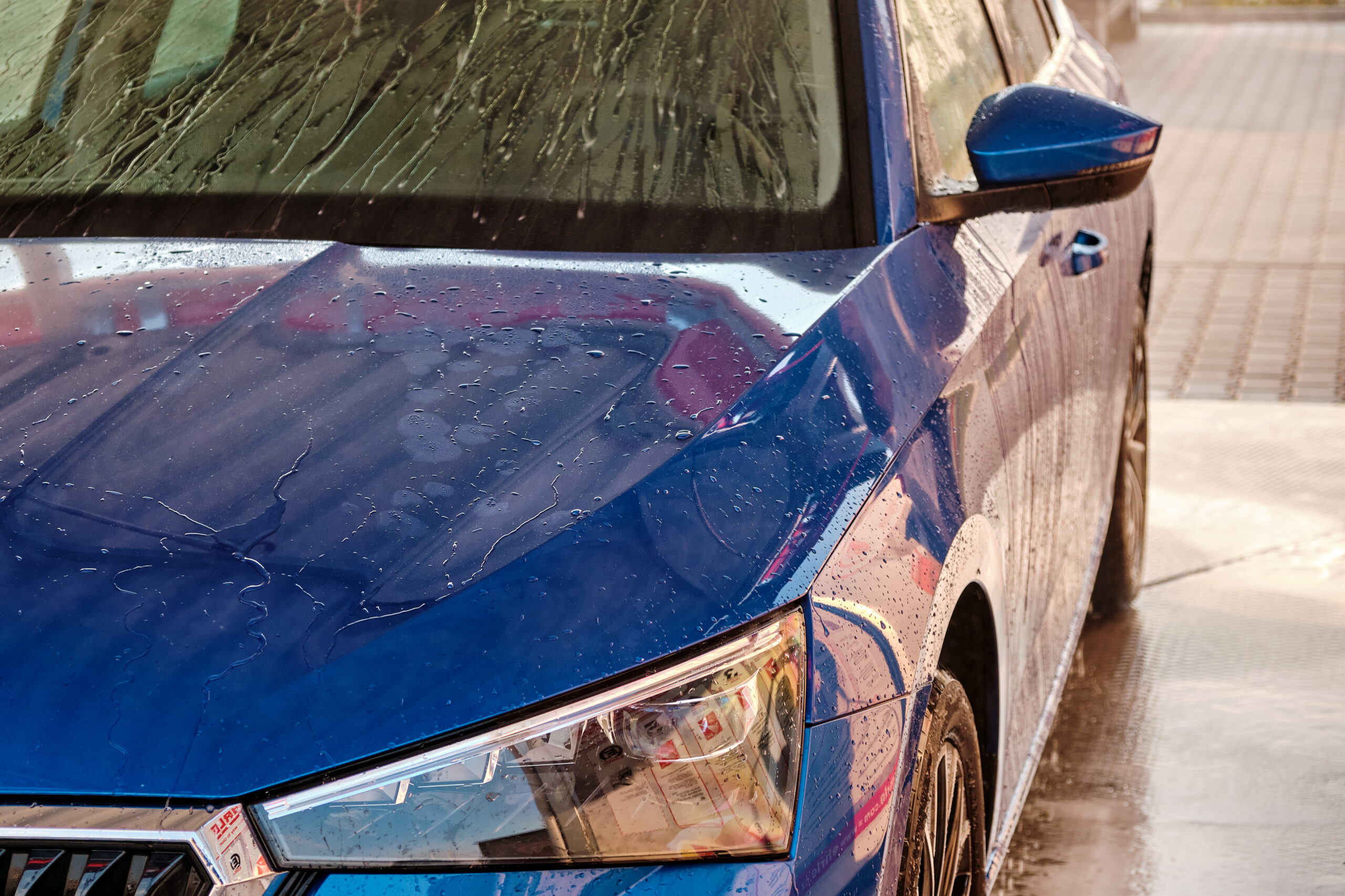
Wash the vehicle more often, not less, during winter, and pay particular attention to the underbody and wheel wells where corrosive material accumulates. A ceramic coating or paint protection film, properly maintained, will shrug off most winter contaminants and make weekly washes faster.
Pay close attention to the sensors. Modern luxury EVs use front and rear radar, ultrasonic parking sensors, and multiple cameras for adaptive cruise control, lane-keep assist and automated parking. Mud, road salt and ice obscure these surfaces and degrade ADAS performance. Wipe the front camera housing, the radar emblem and the parking sensors every time you wash, and have the system recalibrated if any warning lights persist, or if you have had any panel work done recently. Skipping calibration after a repair is one of the most common reasons ADAS misbehaves in winter.
Step 5: Update Software and Book a Pre-Winter Inspection
Luxury EV manufacturers push regular over-the-air updates that often include cold-weather optimisations such as improved battery thermal management, heat-pump tuning and updated charging curves. Check your vehicle’s software status before winter and install any pending updates while parked at home on a strong Wi-Fi connection.
Pair the software update with a pre-winter inspection at a specialist luxury and high-performance vehicle centre. A qualified technician will check coolant levels for the battery thermal system, inspect wiper blades and washer fluid for the cold months, confirm tyre tread depth, scan for stored fault codes, and verify that ADAS calibration is within OEM tolerance. This kind of pre-season check takes under an hour and prevents most cold-weather breakdowns.
Common Winter Mistakes to Avoid With a Luxury EV
- Leaving the car plugged in at 100% overnight: Daily charging to 100% accelerates battery degradation. Set the charge limit to 80% unless a long trip is planned.
- Defrosting with the heater on full from a flat battery: Precondition while plugged in instead, so the energy comes from the wall, not your range.
- Skipping the car wash because it is cold: Salt and grime do more damage to luxury paint and underbody components in winter than in summer.
- Ignoring ADAS warning lights: A fouled sensor or out-of-spec calibration is a safety issue, not a nuisance. Have it inspected promptly.
- Using non-OEM wiper blades or tyres: Premium marques specify these components for a reason. Substitutes can compromise both performance and warranty cover.
Frequently Asked Questions
How much range will my luxury EV lose in winter?
Most luxury EVs lose between 10% and 30% of their summer range in cold weather, depending on temperature, cabin heating use and driving style. Models with heat pumps, including the latest Tesla, Porsche, BMW and Mercedes EV variants, generally hold range better than older resistive-heating models.
Should I keep my luxury EV plugged in during cold weather?
Yes, when possible. Keeping the vehicle plugged in lets the battery management system maintain optimal cell temperature using grid power rather than draining the battery itself. Set a daily charge limit of around 80% so the car maintains that level rather than holding at 100%.
Do luxury EVs need winter tyres in Australia?
For most Australian conditions, all-season tyres in the manufacturer’s specified size and load rating are sufficient. If you regularly drive in alpine areas or sub-zero temperatures, dedicated cold-weather tyres improve grip and braking. Whichever you choose, always use the OEM-specified size and pressure to protect handling and the vehicle’s warranty.
Why does my luxury EV charge slower in winter?
Lithium-ion batteries accept charge more slowly when cold, and the battery management system actively limits current to prevent damage. Preconditioning the battery before plugging into a DC fast charger, usually by navigating to the charger in the car’s nav system, warms the cells and restores normal charging speeds.
Is it worth booking a pre-winter inspection for a luxury EV?
For high-value vehicles, yes. A pre-winter inspection at a manufacturer-trained centre catches small issues before they become roadside problems, confirms ADAS calibration, and ensures the battery thermal system, 12V battery, tyres and wipers are all winter-ready. It also creates a documented service record that supports warranty and resale value.
Keep Winter Off the Worry List
A luxury EV is engineered to deliver effortless performance year-round, but only if winter maintenance is treated as part of ownership rather than an afterthought. Battery care, preconditioning habits, tyre and brake checks, paint and sensor protection, and a single pre-winter inspection together cover the vast majority of cold-weather issues.
If you would prefer to hand that checklist to a specialist, the AMA Prestige network is manufacturer-authorised for the world’s leading luxury marques, including Tesla, Porsche, BMW, Audi, Mercedes-Benz and Lamborghini. Our technicians work to factory-standard repair and inspection processes using genuine parts, with full ADAS calibration capability on-site. Get in touch to book a pre-winter inspection at your nearest centre and head into the cold season with complete confidence in your vehicle.